
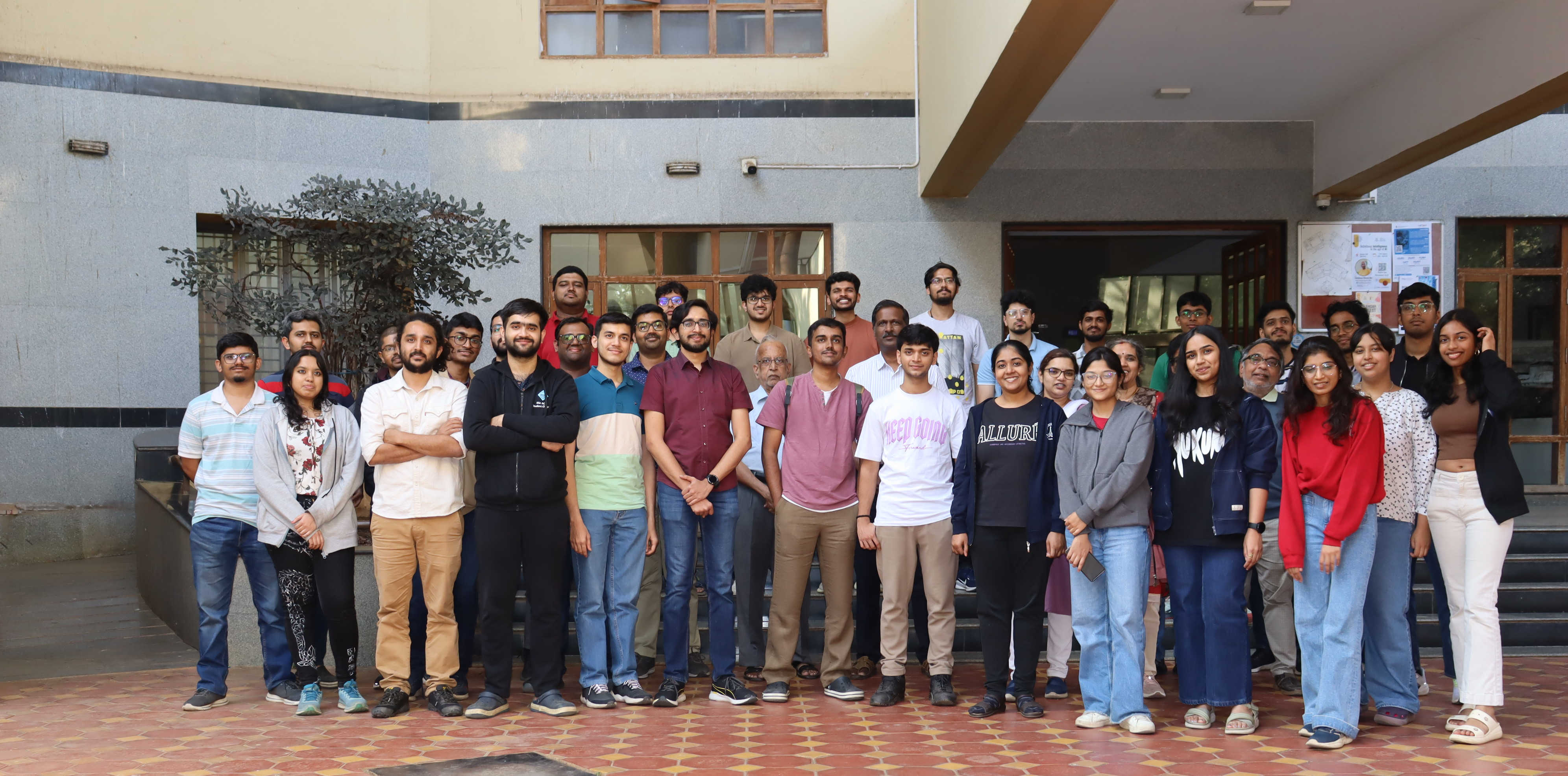
Team 2026
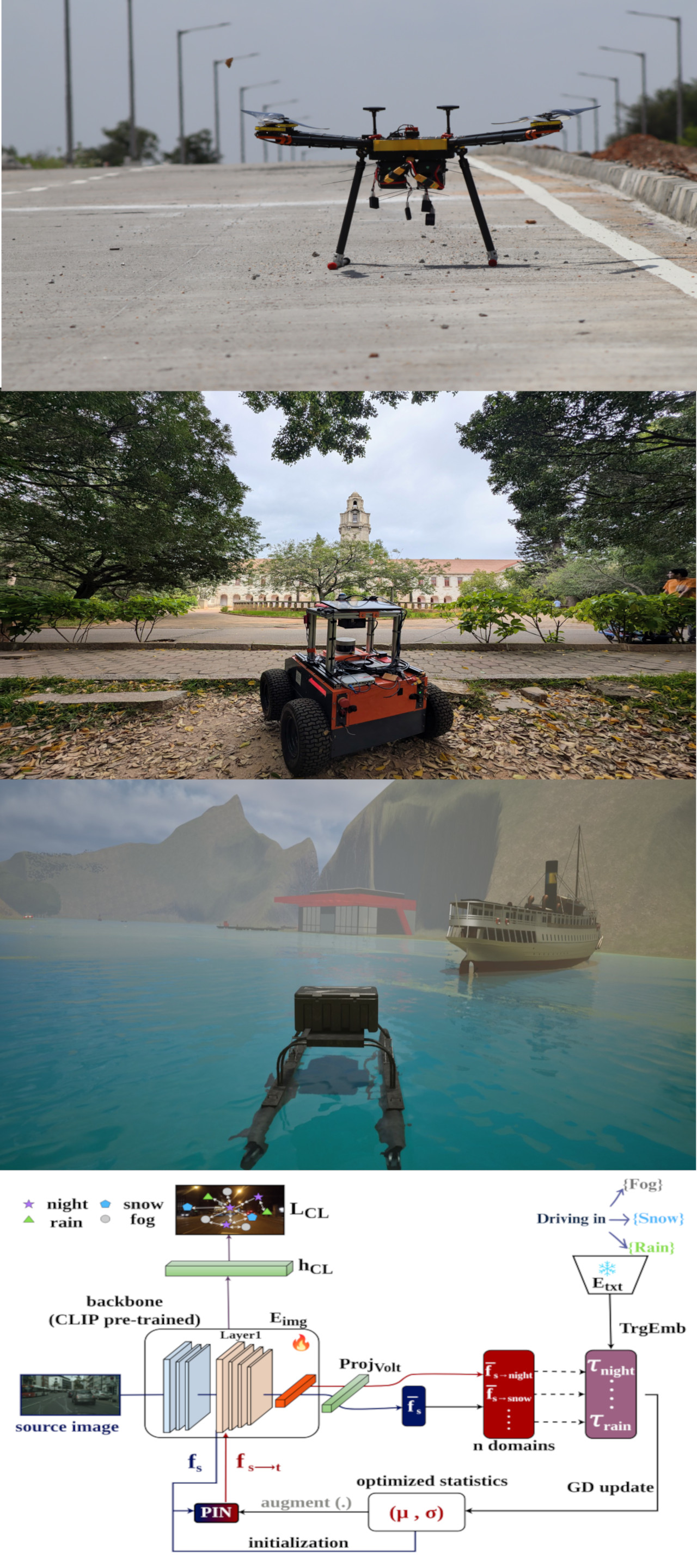
At Artificial Intelligence and Robotics Lab(AIRL), we focus on the design and development of advanced autonomous vehicles capable of operating in cluttered and dynamic environments. Our work spans aerial, underwater, and ground platforms, with significant efforts on building new aerial and underwater vehicles tailored for autonomy. Navigation and control are core pillars, tightly integrated with each vehicle’s physical and operational characteristics. Autonomy in complex environments requires intelligent control and real-time decision-making. AIRL develops algorithms for path planning, obstacle avoidance, and safe navigation under uncertainty. We incorporate physics-inspired neural networks, intelligent control architectures, and AI-driven safety guarantees to ensure reliable performance. Recently we also consider end-to-end solutions for autonomous operation of these platforms in dynamically changing environments.
We conduct fundamental research in artificial intelligence (AI) with a focus on perception, learning, and decision-making algorithms. This includes work on neural networks, semantic segmentation, explainability, and generalizability. These perception systems directly support low-level control and navigation, creating a seamless pipeline from sensor input to action. We strongly emphasize core AI research to ensure our algorithms are adaptable and scalable across platforms and use cases. Our research extends beyond individual systems to cooperative autonomy. We explore distributed AI, collaborative planning, and multi-agent coordination key to enabling teams of platforms to operate as intelligent collectives. Applications include swarm operations, distributed sensing, and integration with Unmanned Traffic Management (UTM) systems. Through this, the lab advances capabilities for group autonomy with heterogeneous platforms in defense, manufacturing and civil construction applications.